A website dedicated to the truth.
Catholicism
The Problems with Catholicism
TRUTH
1/8/20264 min read
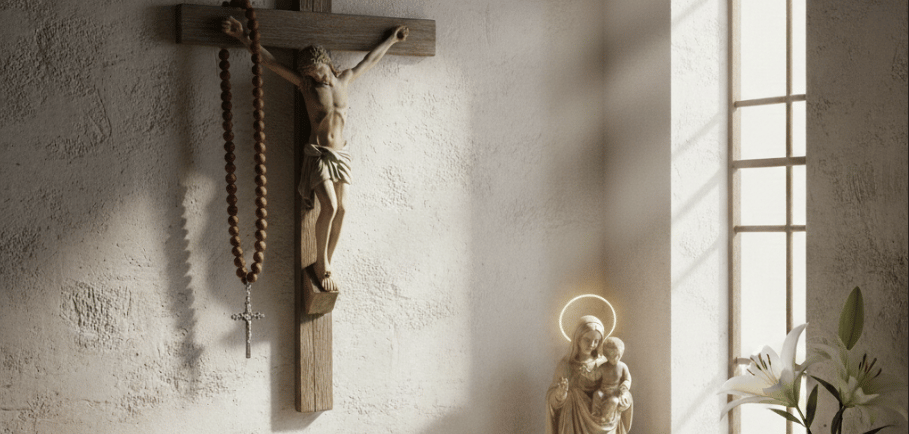
Examining Claims of False Doctrines in Catholicism: A Protestant Perspective with Catholic Counterpoints
The theological divide between Protestantism and Catholicism has persisted since the Reformation, with key disputes centering on interpretations of Scripture, the role of tradition, and doctrines like salvation, purgatory, and veneration of Mary and saints. Critics from a Protestant viewpoint often argue that certain Catholic teachings deviate from biblical foundations, potentially introducing "another gospel" as warned in Galatians 1:8-9. This article explores specific claims that Catholicism promotes false doctrines, drawing on biblical texts and historical context.
Praying to Mary and Saints: Requiring God-Like Attributes?
Catholic prayers to Mary and saints imply they possess omniscience and omnipresence to hear millions simultaneously, attributes belonging to God alone (Psalm 139:7-10). The Bible commands prayer to God (Matthew 6:9), and contacting the dead is forbidden (Deuteronomy 18:10-12). This practice risks idolatry, as seen in bowing before statues (Exodus 20:4-5). Do not be anxious about anything, but in every situation, by prayer and petition, with thanksgiving, present your requests to God (Philippians 4:6). For there is one God, and there is one mediator between God and men, the man Christ Jesus (1 Timothy 2:5). This clearly states that you should be praying to God alone, and not men and women.
Mary as Co-Redemptrix: Elevating Mary Beyond Biblical Warrant?
One criticism leveled against Catholicism is the concept of Mary as "Co-Redemptrix," which some popes have referenced, implying she shares in Christ's redemptive work. Protestant critics argue this elevates Mary to a quasi-divine status, undermining Christ's unique role as Redeemer (1 Timothy 2:5: "For there is one God, and there is one mediator between God and men, the man Christ Jesus"). For instance, Pope Pius XI used the term "Co-Redemptrix" in 1925, and St. John Paul II referenced it multiple times, linking it to Mary's union with Christ at the Cross. Critics contend this risks "eclipsing the exclusive role of Jesus Christ," as the Bible portrays redemption solely through Christ's sacrifice (Hebrews 9:28).
However, recent Vatican statements clarify that "Co-Redemptrix" is not dogmatic and should not be used officially, as it could cause confusion. The 2025 doctrinal note "Mater Populi Fidelis" rejects it, emphasizing Mary's subordinate cooperation, not equality with Christ. Catholics explain the term means "with the Redeemer" (from Latin "cum"), highlighting Mary's fiat at the Annunciation and her suffering at Calvary as participatory, not additive to Christ's work. Defenders note that even Protestant figures like C.S. Lewis acknowledged Mary's unique role without endorsing the title.
Five Popes in the past have called Mary the "Co-Redemptrix": Leo XIII, Pius X, Pius XI and Joh Paul II. Such titles, even if clarified, introduce extra-biblical emphasis on Mary, potentially violating the sufficiency of Scripture (sola scriptura).
Salvation by Faith Alone: Does Catholicism Add Works?
The Bible states in Ephesians 2:8-9: "For by grace you have been saved through faith. And this is not your own doing; it is the gift of God, not a result of works, so that no one may boast." Protestants argue this supports salvation by faith alone (sola fide), a core Reformation principle. Critics claim Catholicism contradicts this by teaching salvation involves faith and works, as per the Council of Trent, which anathematizes those who say justification is by faith alone without cooperation. This, they say, invalidates purgatory, as it implies incomplete salvation at death requires further purification through works or suffering.
Catholics counter that faith must be "working through love" (Galatians 5:6), not dead faith (James 2:17-26: "You see that a person is justified by works and not by faith alone"). They affirm salvation by grace alone but insist works evidence living faith, not earning salvation. Trent condemned Pelagianism (salvation by human effort), emphasizing initial justification by faith, with works as fruit of sanctification. Protestants respond that James 2 refers to vindication before men, not God, and that adding works risks boasting (Romans 3:27-28).
Purgatory: A Biblical Concept or Extra-Biblical Addition?
Protestants argue purgatory lacks biblical support, as the Bible teaches only heaven or hell post-death (Hebrews 9:27: "It is appointed for man to die once, and after that comes judgment"). No explicit mention exists in the Protestant canon; passages like 1 Corinthians 3:10-15 describe testing works for rewards, not purifying souls. Catholics cite 2 Maccabees 12:41-46 (prayers for the dead) and Matthew 12:32 (forgiveness in the age to come), but Protestants reject the Apocrypha as non-canonical. Critics say purgatory denies Christ's sufficient atonement, implying believers must suffer for sins already forgiven (Colossians 2:13-14).
Catholics view purgatory as a state of purification for those dying in grace but with venial sins or temporal punishment remaining (CCC 1030-1032). They argue nothing impure enters heaven (Revelation 21:27), and early Christians prayed for the dead. Some Protestants, like C.S. Lewis, accept a form of post-death purification without endorsing Catholic purgatory.
Indulgences and Purgatory: Violating Galatians 1:8-9?
Protestants claim indulgences—remission of temporal punishment via Church treasury—add to the gospel, allowing "payment" for sins through works or money, echoing the abuses sparking the Reformation (e.g., Tetzel's sales). This violates Galatians 1:8-9: "But even if we or an angel from heaven should preach to you a gospel contrary to the one we preached to you, let him be accursed." Critics see it as "another gospel" denying Christ's sufficiency.
Catholics clarify indulgences apply only to forgiven sins' temporal effects, drawn from Christ's merits, not earning salvation (CCC 1471-1479). Abuses were reformed post-Trent, and they're tied to devotion, not payment. The Church cites Matthew 16:19 (binding/loosing) as authority. God does not change, the word does not change, if payment for sins was fine in the early church, but not good now, then it was a problem with Catholicism, not biblical teaching.
Conclusion: A Call for Biblical Fidelity
From a Protestant lens, these Catholic doctrines risk adding to Scripture, potentially meriting the Galatians warning. Yet Catholics uphold them as developments of apostolic faith. Even though these doctrines have changed through Catholic history. If God does not change, and his word does not change, then why do different popes continue to make changes to what Catholics believe? Ultimately, believers must test all teachings against God's Word (Acts 17:11), prioritizing Christ's sole sufficiency for salvation.